
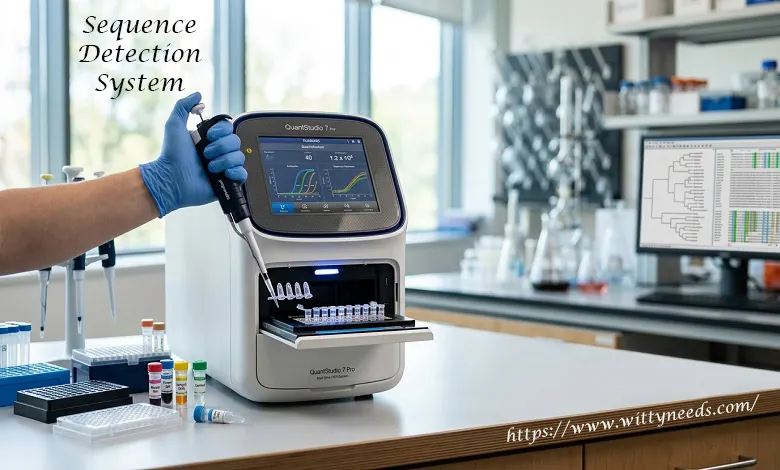
Modern laboratories rely on advanced technologies to identify and analyze genetic material with remarkable accuracy. Among these technologies, the sequence detection system has become one of the most valuable tools for molecular diagnostics, biomedical research, pharmaceutical development, food safety, and forensic investigations.
Whether scientists are detecting infectious diseases, studying gene expression, or validating genetic markers, a sequence detection system provides rapid, reliable, and highly sensitive results. Combined with powerful sequence detection system software, these instruments help researchers process complex data, visualize amplification curves, and generate accurate reports for clinical and research applications. Real-time PCR (qPCR) systems are widely used for targeted DNA and RNA detection because they combine thermal cycling, fluorescence measurement, and automated analysis in a single workflow.
This guide explains how sequence detection systems work, why the accompanying software is essential, their major applications, benefits, limitations, and emerging trends shaping the future of molecular biology.
What Is a Sequence Detection System?
A sequence detection system is an advanced laboratory instrument designed to detect, measure, and analyze specific DNA or RNA sequences during the Polymerase Chain Reaction (PCR) process.
Unlike traditional PCR machines that only amplify genetic material, a sequence detection system continuously monitors DNA amplification by measuring fluorescent signals generated during each PCR cycle. This technology, commonly known as real-time PCR (qPCR), enables scientists to observe the amplification process as it happens instead of waiting until the reaction is complete.
These systems are widely used because they provide:
- High analytical sensitivity
- Accurate quantification
- Rapid turnaround time
- Reduced contamination risk
- Automated data analysis
Instead of simply answering whether DNA is present, many assays can estimate how much target nucleic acid exists in the sample by analyzing fluorescence over successive PCR cycles.
How Does a Sequence Detection System Work?
Although the technology behind these systems is sophisticated, the workflow follows a straightforward process.
1. Sample Preparation
Scientists first extract DNA or RNA from the sample, which may include:
- Blood
- Saliva
- Tissue
- Nasal swabs
- Plant material
- Food samples
- Water samples
If the target is RNA, it is typically converted into complementary DNA (cDNA) before amplification.
2. PCR Amplification
The extracted genetic material is mixed with:
- Primers
- DNA polymerase
- Nucleotides
- Fluorescent dyes or probes
- Buffer solution
The instrument repeatedly changes temperature to support DNA denaturation, primer annealing, and extension, allowing the target sequence to be copied millions of times.
3. Fluorescence Detection
During every amplification cycle, fluorescent dyes or probes emit signals proportional to the amount of DNA produced.
An optical detection system measures these signals after each cycle, creating amplification curves in real time.
4. Data Analysis
The collected fluorescence data is processed by sequence detection system software, which automatically generates:
- Amplification plots
- Threshold cycle (Ct/Cq) values
- Melt curves (when applicable)
- Standard curves
- Quantification reports
- Positive or negative result calls
The software converts raw fluorescence measurements into meaningful biological results while helping users review assay quality and controls.
Main Components of a Sequence Detection System
A complete sequence detection platform combines several integrated components.
Thermal Cycler: The thermal cycler precisely controls temperature changes required during PCR amplification.
Optical Detection Unit: The optical module detects fluorescent signals emitted during amplification using specialized filters and detectors.
Excitation Light Source: Lasers or LEDs excite fluorescent molecules inside each reaction well.
Detection Camera: Sensitive cameras or photodiodes capture fluorescence intensity throughout the PCR run.
Control Electronics: Embedded processors coordinate temperature control, optics, and data acquisition.
Sequence Detection System Software
Perhaps the most important component from the user’s perspective, the software controls the instrument, analyzes fluorescence data, and generates interpretable reports.
What Is Sequence Detection System Software?
Sequence detection system software is the analytical platform that manages instrument operation and transforms fluorescence measurements into actionable insights.
Without specialized software, the raw optical data produced during PCR would be difficult to interpret.
The software performs several essential tasks:
- Instrument configuration
- Experiment design
- Plate layout management
- Real-time monitoring
- Automatic threshold calculation
- Ct value determination
- Relative quantification
- Absolute quantification
- Melt curve analysis
- Report generation
- Data export
- Quality control
Many modern solutions also support laboratory information management system (LIMS) integration, multi-user environments, audit trails, and compliance features for regulated laboratories.
Key Features of Sequence Detection System Software
The capabilities of modern software have expanded significantly beyond basic data collection.
User-Friendly Dashboard
Most software platforms provide intuitive interfaces that simplify experiment setup, reducing the learning curve for laboratory personnel.
Automated Experiment Setup
Users can define:
- Sample names
- Controls
- Standards
- Replicates
- Target genes
- Reporter dyes
The software automatically applies these settings throughout the experiment.
Real-Time Monitoring
Scientists can monitor amplification curves while PCR is still running.
This allows early identification of:
- Failed reactions
- Instrument errors
- Contamination
- Unexpected amplification
Automatic Ct Calculation
Manual threshold placement often introduces variability.
Modern software automatically determines Ct or Cq values using validated algorithms, improving consistency between experiments. Ct values are a core output of real-time PCR analysis because they indicate the cycle at which fluorescence rises above a defined threshold.
Melt Curve Analysis
For dye-based assays, melt curve analysis verifies amplification specificity by distinguishing desired PCR products from primer-dimers or non-specific amplification.
Multiplex Data Analysis
Many systems analyze multiple genetic targets simultaneously using different fluorescent channels, reducing reagent use and increasing throughput.
Quality Control
Sequence detection system software automatically checks:
- Negative controls
- Positive controls
- Standard curves
- Replicate consistency
- Amplification efficiency
- Baseline stability
These quality checks help laboratories identify issues before results are reported.
Comprehensive Reporting
Reports typically include:
- Amplification plots
- Melt curves
- Ct values
- Quantification tables
- Sample interpretation
- Exportable CSV, Excel, or PDF files
Automated reporting improves documentation and supports reproducible workflows.
Why Sequence Detection System Software Matters
Even the most advanced laboratory instrument depends on software to deliver reliable results.
Good software helps laboratories:
- Reduce human error
- Improve workflow efficiency
- Standardize data analysis
- Increase reproducibility
- Maintain regulatory compliance
- Simplify collaboration
- Speed up decision-making
As laboratories process growing numbers of samples, software has become just as important as the hardware itself. Modern platforms increasingly integrate automation, scalable workflows, and data management to support high-throughput molecular testing.
Benefits of Using a Sequence Detection System
Organizations across healthcare, research, agriculture, and biotechnology continue to adopt sequence detection systems because they deliver measurable advantages.
High Sensitivity
Even very small amounts of DNA or RNA can be detected through PCR amplification, making these systems suitable for early-stage detection and low-abundance targets. Their sensitivity is one of the reasons they are widely used in diagnostics and research.
Excellent Specificity
Carefully designed primers and probes allow the system to target a specific genetic sequence, reducing the likelihood of detecting unrelated DNA.
Faster Results
Compared with many traditional laboratory methods, real-time PCR provides results much more quickly, helping laboratories make timely decisions for research or diagnostic workflows.
Quantitative Analysis
Unlike conventional PCR, a sequence detection system can often estimate the amount of target nucleic acid present, providing valuable quantitative information rather than a simple positive or negative result.
Reduced Contamination Risk
Because fluorescence is measured during amplification, there is less need for post-PCR handling, which helps minimize contamination risks.
High Throughput
Many modern instruments can process dozens or even hundreds of samples in a single run, improving laboratory productivity and efficiency.
Reliable and Reproducible Results
When combined with validated protocols and robust sequence detection system software, these instruments deliver highly consistent results across repeated experiments.
The combination of precision hardware, fluorescence-based detection, and intelligent software has made the sequence detection system an indispensable tool in modern molecular laboratories.
Applications of Sequence Detection Systems Across Industries
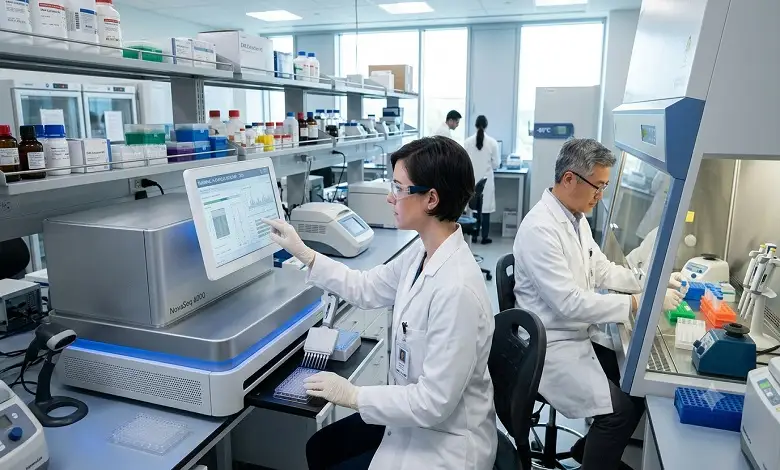
The versatility of a sequence detection system extends far beyond research laboratories. Today, these platforms support critical work in healthcare, agriculture, environmental science, food production, and forensic investigations. As molecular testing becomes more accessible, the demand for reliable sequence detection system software continues to grow.
Clinical Diagnostics
One of the most common applications is disease diagnosis. Clinical laboratories use sequence detection systems to identify bacteria, viruses, fungi, and genetic mutations with high sensitivity.
Common diagnostic applications include:
- Infectious disease testing
- Respiratory virus detection
- Genetic disorder screening
- Oncology biomarker analysis
- Viral load monitoring
- Prenatal genetic testing
Because real-time PCR delivers rapid and accurate results, healthcare professionals can make faster treatment decisions and improve patient care. These systems are widely adopted for targeted nucleic acid detection in clinical workflows.
Gene Expression Studies
Researchers frequently use sequence detection systems to measure changes in gene activity under different conditions.
For example, scientists may compare gene expression:
- Before and after drug treatment
- Between healthy and diseased tissues
- During embryonic development
- Under environmental stress
- Across different cell types
Quantitative PCR remains one of the most trusted methods for validating gene expression because it provides sensitive, reproducible measurements.
Pharmaceutical and Biotechnology Research
Drug discovery depends heavily on molecular testing.
Sequence detection systems assist researchers in:
- Validating therapeutic targets
- Evaluating drug responses
- Monitoring gene regulation
- Measuring biomarker expression
- Supporting clinical trial research
The ability to analyze hundreds of samples accurately makes these systems valuable throughout the pharmaceutical development process.
Food Safety Testing
Food manufacturers use molecular detection to identify contamination before products reach consumers.
Sequence detection systems help detect:
- Salmonella
- Listeria
- E. coli
- Foodborne viruses
- Genetically modified organisms (GMOs)
- Ingredient authenticity
Compared with conventional culture-based methods, molecular detection often provides faster results, reducing delays in production and quality control.
Agriculture and Plant Science
Modern agriculture increasingly relies on molecular diagnostics.
Applications include:
- Plant pathogen detection
- Crop disease monitoring
- Seed quality testing
- Genetic trait verification
- Livestock disease surveillance
Early identification of plant diseases helps farmers reduce crop losses while improving agricultural productivity.
Environmental Monitoring
Environmental scientists analyze water, soil, and air samples for microbial contamination and ecological research.
Common uses include:
- Water quality testing
- Wastewater monitoring
- Biodiversity studies
- Detection of invasive species
- Environmental DNA (eDNA) analysis
Rapid molecular detection allows environmental agencies to respond more effectively to contamination events.
Forensic Science
Even extremely small DNA samples can provide valuable forensic evidence.
Sequence detection systems assist forensic laboratories with:
- DNA identification
- Human sample verification
- Biological evidence analysis
- Criminal investigations
- Disaster victim identification
Although forensic workflows often involve additional DNA analysis techniques, real-time PCR plays an important role in sample quantification and quality assessment.
How Sequence Detection System Software Improves Laboratory Efficiency
Modern laboratories generate large volumes of experimental data. Managing this information manually increases the risk of errors and slows productivity.
Advanced sequence detection system software streamlines laboratory operations by automating many routine tasks.
Centralized Data Management
Instead of storing experiment results across multiple files, software organizes data in searchable databases.
This makes it easier to:
- Retrieve historical experiments
- Compare previous results
- Track instrument performance
- Maintain complete audit records
Automated Quality Assurance
High-quality software automatically reviews experiment performance by evaluating:
- Standard curves
- Amplification efficiency
- Baseline consistency
- Control reactions
- Replicate variation
These built-in quality checks reduce the likelihood of reporting inaccurate results.
Laboratory Information System Integration
Many laboratories connect their sequence detection software with Laboratory Information Management Systems (LIMS).
This integration enables:
- Automatic sample tracking
- Barcode scanning
- Electronic result transfer
- Workflow automation
- Secure data storage
Such connectivity minimizes manual data entry and improves operational efficiency.
Regulatory Compliance
Clinical and pharmaceutical laboratories often operate under strict regulatory requirements.
Modern software supports compliance by providing:
- User authentication
- Electronic signatures
- Audit trails
- Permission management
- Secure data backup
These features help laboratories meet quality standards while protecting sensitive information.
Challenges and Limitations
Although sequence detection systems are highly effective, they are not without limitations.
Initial Investment: High-performance instruments, accessories, and licensed software can require a significant upfront investment, particularly for smaller laboratories.
Skilled Personnel: Accurate results depend on proper experimental design, sample preparation, and data interpretation. Laboratories must ensure that staff are trained to operate both the instrument and the software effectively.
Sample Quality: Poor-quality DNA or RNA can affect amplification efficiency and lead to unreliable results.
Proper sample collection, storage, and extraction remain essential.
Contamination Risks: PCR is extremely sensitive. Even minor contamination from previously amplified DNA can produce false-positive results if laboratory procedures are not carefully controlled.
Software Compatibility: Not all sequence detection system software supports every instrument or data format. Laboratories should evaluate compatibility before purchasing new hardware or upgrading existing systems.
How to Choose the Right Sequence Detection System Software
Selecting the right software is just as important as choosing the instrument itself.
Consider the following factors before making a decision.
Ease of Use
A clean, intuitive interface reduces training time and minimizes operator errors.
Instrument Compatibility
Ensure the software fully supports your PCR platform and future hardware upgrades.
Data Analysis Capabilities
Look for features such as:
- Automatic Ct analysis
- Relative quantification
- Absolute quantification
- Multiplex analysis
- Melt curve interpretation
- Standard curve generation
Reporting Options
Choose software that allows easy export of reports in formats commonly used by your laboratory, such as PDF, Excel, or CSV.
Security Features
For regulated environments, prioritize software that includes encryption, audit trails, role-based access, and electronic signatures.
Technical Support
Reliable vendor support, software updates, and user documentation can significantly improve long-term usability.
Future Trends in Sequence Detection Systems
Molecular diagnostics continues to evolve, and sequence detection technology is advancing alongside it.
Several trends are shaping the future of these systems.
Artificial Intelligence
AI-powered algorithms are beginning to assist with amplification curve interpretation, anomaly detection, and automated quality assessment, helping laboratories reduce manual review time.
Cloud-Based Data Management
Cloud integration enables researchers to access experiment data securely from multiple locations while supporting collaboration between institutions.
Higher Throughput
Manufacturers continue to develop instruments capable of processing larger numbers of samples with shorter run times, improving efficiency in high-demand laboratories.
Increased Automation
Future platforms are expected to integrate automated sample preparation, reaction setup, and result reporting, reducing hands-on time and improving consistency.
Enhanced Connectivity
Modern sequence detection systems increasingly integrate with digital laboratory ecosystems, enabling smoother communication between instruments, laboratory software, and data management platforms.
Conclusion
A sequence detection system has become a cornerstone of modern molecular biology, enabling researchers and clinicians to detect, measure, and analyze genetic material with exceptional speed and precision. From diagnosing infectious diseases and studying gene expression to ensuring food safety and advancing pharmaceutical research, these systems play a critical role in laboratories around the world.
Equally important is sequence detection system software, which transforms raw fluorescence data into accurate, actionable results. Advanced software simplifies experiment design, automates analysis, strengthens quality control, and supports regulatory compliance, allowing laboratories to work more efficiently while maintaining confidence in their findings.
As artificial intelligence, cloud computing, and laboratory automation continue to evolve, sequence detection systems will become even more powerful and user-friendly. Organizations that invest in reliable hardware, robust software, and standardized workflows will be well-positioned to meet the growing demand for fast, accurate, and reproducible molecular testing in the years ahead.
FAQs:
Q: What is a sequence detection system?
A. A sequence detection system is a laboratory instrument that detects and measures specific DNA or RNA sequences during real-time PCR using fluorescence-based technology.
Q: What is sequence detection system software?
A. Sequence detection system software controls the instrument, monitors PCR experiments, analyzes fluorescence data, calculates Ct values, generates reports, and helps ensure quality control.
Q: Is a sequence detection system the same as DNA sequencing?
A. No. A sequence detection system identifies or quantifies a predefined DNA or RNA target, whereas DNA sequencing determines the complete order of nucleotides within a DNA fragment.
Q: Which industries use sequence detection systems?
A. Healthcare, pharmaceutical research, biotechnology, agriculture, food safety, environmental science, veterinary diagnostics, and forensic laboratories all use sequence detection systems.
Q: Why is real-time PCR preferred over conventional PCR?
A. Real-time PCR allows researchers to monitor DNA amplification during the reaction, provides quantitative information, reduces post-PCR handling, and delivers faster, more reliable results.
Q: Can sequence detection system software improve laboratory productivity?
A. Yes. Modern software automates experiment setup, quality control, data analysis, reporting, and integration with laboratory information systems, helping reduce manual work and improve consistency.